


What is Agile Methodology in Mobile App Development?
A Definitive Guide on Agile Mobile App Development
Agile Methodology – The Right Way to Develop Mobile Applications
The amount of time mobile application development companies spends in developing varies as per the requirements, type of app, development model and more. However, there is another factor that plays a major role in the timely completion of a project, or even in advance i.e efficiency. Efficiency within the process and among each step of an app development process is imperative, not only for the timely completion but also for the quality of end result. As a project manager, in order to achieve efficiency, you can either choose to take the matter in your hands and approach each step individually, or maybe try to synchronize all the steps in a streamlined way with some sort of methodology? Yes, we are cutting to the chase and this article is about Agile Methodology.
What is Agile Methodology?
Introduced in 2001 by a team of software developers and project management professionals, Agile Methodology is a project management system designed to co-ordinate and monitor software development projects. The need for Agile Methodology was truly felt when the technology space signalled expansion, and development projects got wider with more aspects and components than before. As a result, due to multiple and new dimensions in project management, older methods like Waterfall model, were rendered ineffective. What makes Agile, an effective tool, for project management is that it divides the project into sprints & milestones, the purpose of which is to allow project members to track progress throughout the project.
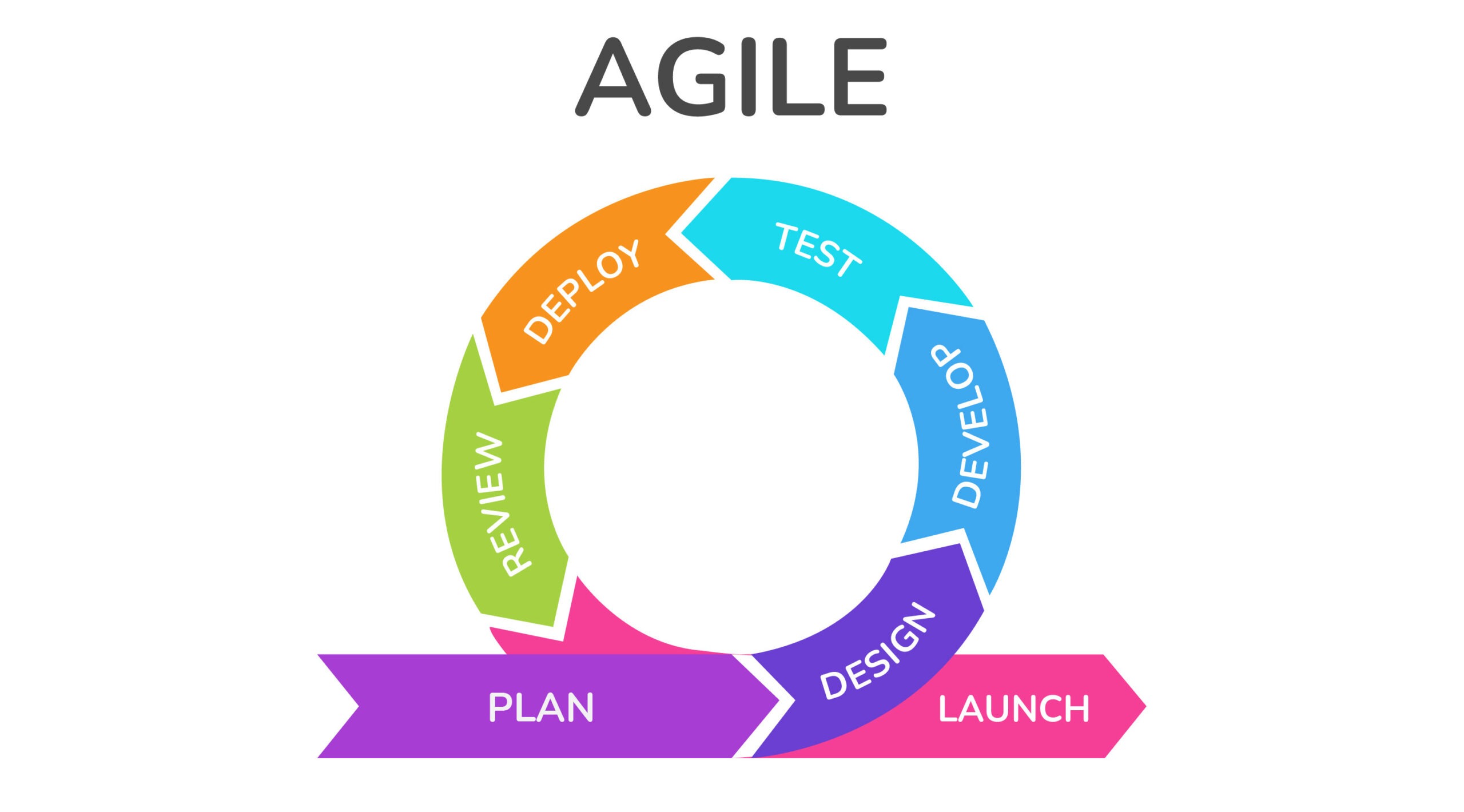
To understand why an enterprise needs to incorporate agile practices in its development process, here are some of the salient features of Agile Methodology.
Track
Agile Methodology allows you to track information like no other software development approach could. Each development project is divided into sprints and milestones, which are basically the division of labour, based on time and manpower. Most of the times, sprints have a fixed deadline under which a certain part of the project has to be completed. For example, the duration of a sprint could be of a week, a month, several months or a year. How this enables traceability is that upon facing a break in the code or a program malfunctioning, it becomes easier for the developer to track down the sprint and fix the code. This comes in handy when an app has too many lines of code, and the one who is troubleshooting, needs the exact source of the fault. Now imagine how that would work with sprints and milestones; almost like finding a needle in a haystack.
Synchronize
A person who invests their money into something as big as getting an app developed with the help of a mobile app development company would want to know about the project progress for obvious reasons. And the fact is that you cannot refuse to share the progress with them. So better do it the right way. There are many platforms that practice Agile Methodology like GitHub, which are open-source and allow anyone to view the project in the repository. A repository is a place on GitHub, which could represent an entire project, section with tasks, individual sprints or even a single issue. Your client can connect and stay in the development loop directly through these platforms. You can also assign limited access rights to your client so that they can suggest some changes in the event of a deviation from their requirements.
Stay Organized
This may be the third pointer in the article, but it doesn’t mean any less that keeping things organized is the entire point of Agile Methodology. There is an entire organisation in the Agile Methodology system, with contributors, scrum managers, developers, and more. Each have their role in keeping things organized, and can always synchronise progress with each other, simply through the issues that have been created in the corresponding repository. If two scrum contributors want to work on the same issue, one of them can simply reference the corresponding issue with a hash (#) or assign the other person on the issue. Upon contributing their part, each contributor can update their role on the GitHub wiki and also post any changes in their work schedule.
Agile Methodology is more of a project management tool that comes along with features like code review tools, API integrations, shared coding platforms, documentation protocols, code hosting and more. It is the utility of the platform in software development that helped it build a huge market capitalization, and at present, Agile is the best app development project management methodology.

Why is Agile Methodology Good For Mobile App Development?
Agile methodology has become the de facto standard for successful mobile app development, and for good reason. Unlike traditional, linear approaches like the Waterfall model, agile is built for the fast-paced, unpredictable world of app technology. Here’s a breakdown of why agile is the best choice for mobile app development:
1. Embracing Constant Change
The mobile app market is incredibly dynamic. User trends, platform updates (iOS and Android), and competitor actions can change at a moment’s notice. The rigid structure of the Waterfall model, where all requirements are set at the beginning, makes it nearly impossible to adapt without costly delays and budget overruns.
Agile, on the other hand, thrives on change. It breaks down the project into small, manageable development cycles called “sprints,” typically lasting 1-4 weeks. After each sprint, a working version of the app (or a new feature) is delivered and reviewed. This iterative process allows the team to:
- Respond to Feedback: Gather immediate feedback from stakeholders and users. If a feature isn’t working as expected, it can be adjusted in the next sprint, preventing the waste of time and resources on a flawed concept.
- Adapt to Market Demands: Quickly incorporate new technologies or features that emerge in the market, ensuring the app remains relevant and competitive.
2. Faster Time-to-Market
In the app world, being the first to market can be a huge advantage. Agile helps achieve this by focusing on a Minimum Viable Product (MVP). Instead of waiting for a fully-featured app to be complete, a core set of features is developed and released first.
This allows the app to be launched sooner, generating revenue, gathering user data, and establishing a presence in the market while the development team continues to build and refine new features in subsequent sprints. This iterative release model is far more efficient than the long, drawn-out process of a Waterfall project.
3. Reduced Risk and Enhanced Quality
The iterative nature of agile fundamentally changes how risk is managed.
- Early Bug Detection: By continuously testing the app throughout each sprint, bugs and errors are identified and fixed much earlier in the development process. In the Waterfall model, testing often only happens at the very end, making it much more difficult and expensive to fix a foundational issue.
- Continuous Improvement: Each sprint ends with a review and a retrospective, where the team reflects on what went well and what could be improved. This culture of continuous improvement leads to a higher-quality product over time.
4. Improved Collaboration and Customer Satisfaction
Agile is a collaborative methodology at its core. It emphasises frequent communication and face-to-face interaction over rigid processes and extensive documentation.
- Stakeholder Involvement: Customers and stakeholders are actively involved throughout the development process, not just at the beginning and end. This ensures the final product is exactly what they envisioned and that their needs are being met every step of the way.
- Team Synergy: Daily stand-up meetings and open communication channels keep the entire development team—from designers to developers to testers—aligned and working towards a shared goal.
Agile vs. Waterfall: A Clear Distinction
To put it simply, the Waterfall model is like building a house from a complete, unchangeable blueprint. If you realize halfway through that you want a bigger kitchen, it requires tearing down walls and starting over, which is both expensive and time-consuming.
Agile, on the other hand, is like building a house one room at a time, with continuous feedback from the homeowner. You build the kitchen, get feedback, and then use that feedback to inform the design of the next room. This flexibility is what makes it so powerful for mobile app development, where the “blueprint” is constantly evolving based on user needs and market trends.
In conclusion, for the complex, ever-changing, and highly competitive mobile app landscape, agile methodology is not just a preference—it’s a strategic advantage that leads to faster delivery, higher quality, and, most importantly, a product that truly resonates with its users.
Leave feedback about this
You must be logged in to post a comment.